

In this DIY vs. professional auto repair article we will see the good and the bad of do it yourself auto repair……
Deciding whether to tackle car repairs yourself or take your vehicle to a pro is a common dilemma for drivers in Kentucky. There’s pride in turning a wrench and saving money, but there’s also risk — both to your safety and your wallet — if a repair goes wrong. This guide will help you weigh the pros and cons so you can make smart choices for your vehicle and your budget.
When DIY Makes Sense
Simple maintenance tasks are perfect for DIYers. Things like oil changes, air filter replacement, windshield wiper swaps, and replacing bulbs are straightforward and require minimal tools. These jobs help you learn more about your car and save labor costs.
Benefits of DIY:
- Lower cost for parts only
- Faster turnaround when you have time
- Learning and confidence-building
Tools you’ll likely need:
- Basic socket set and wrenches
- Jack and jack stands (never rely only on a jack)
- Torque wrench for critical bolts
- Multimeter for basic electrical checks
If you’re following the vehicle manual and a reputable tutorial, you can do many jobs safely. For local help, our team at Neighbors Garage KY has a bunch of tips and can point you to trusted parts. Visit Neighbors Garage KY for service info and parts recommendations.
When to Choose a Professional
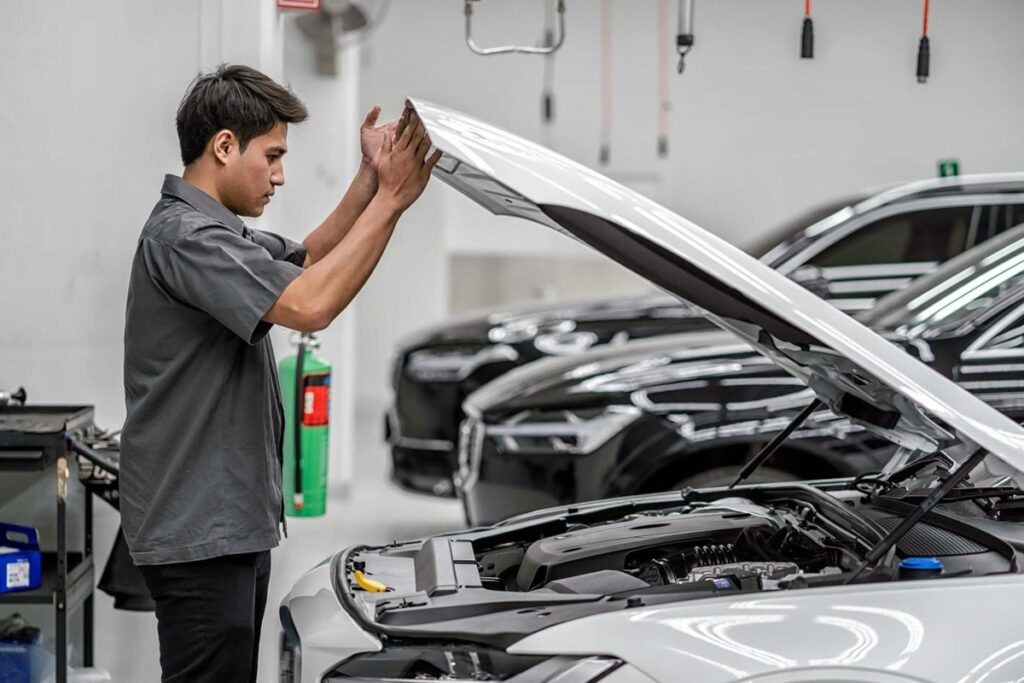
Some repairs are better left to trained technicians. Anything involving the braking system, steering, suspension, transmission, or major engine work often requires specialized tools, diagnostic equipment, and experience. Professionals can spot related problems you might miss and ensure repairs are done to industry standards.
Reasons to go pro:
- Safety-critical systems (brakes, airbags)
- Complex diagnostics (check engine light that needs a scan tool)
- Warranty protection — a professional repair can maintain your vehicle warranty
- Time savings if you don’t have the tools or space
At Neighbors Garage KY we use OEM-quality parts and industry-standard procedures so repairs last and are safe. If you’re unsure, it’s usually worth booking an inspection before attempting a major repair at home.
Cost Comparison
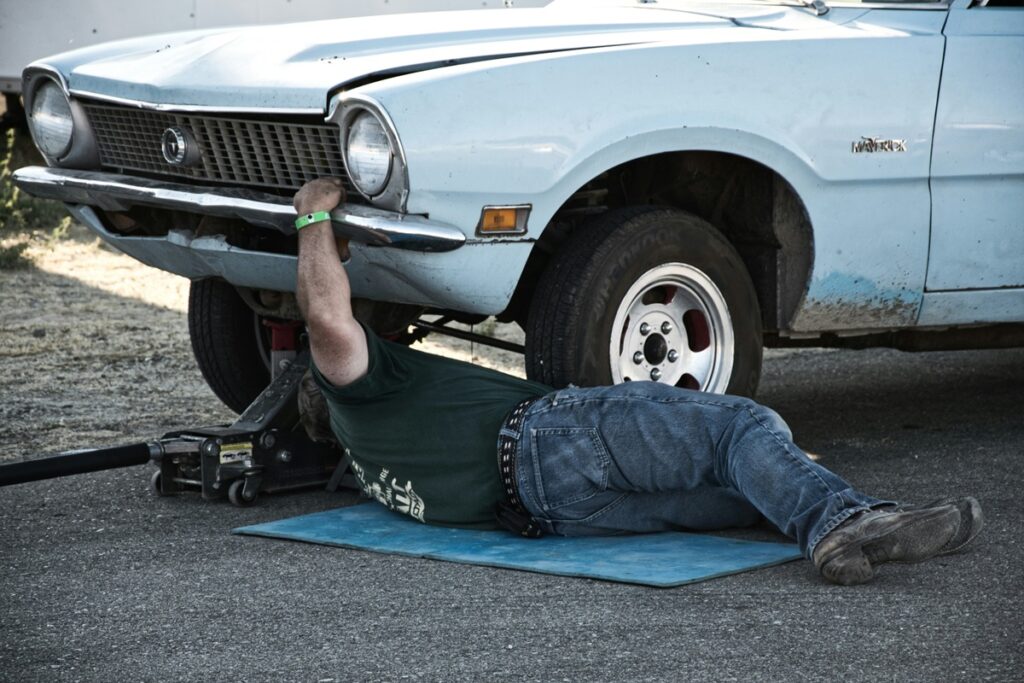
DIY will save on labor costs, but expenses can add up. If you need specialized tools or make a mistake that requires professional correction, you may spend more than you saved. Professionals charge for labor, but they bring experience, efficiency, and warranty on work — which can save money long-term.
Quick cost tips:
- Compare parts prices: aftermarket vs. OEM. Some aftermarket parts are fine; others aren’t.
- Factor in tool costs. A one-time tool purchase should be amortized over expected future use.
- Ask for a written estimate from the shop. Unexpected repairs can blow budgets, so transparency matters.
Risk and Liability
Working on your own car carries risk. Improperly installed brakes, loose suspension components, or incorrectly torqued bolts can cause accidents. Additionally, some repairs may void a warranty if performed incorrectly or with non-approved parts.
Liability considerations:
- Your homeowner’s insurance might not cover injuries from DIY repairs in the garage.
- Professional shops carry insurance and are licensed to perform many types of work.
- Document parts and procedures if you do it yourself — it helps if problems arise later.
How to Decide: A Simple Checklist
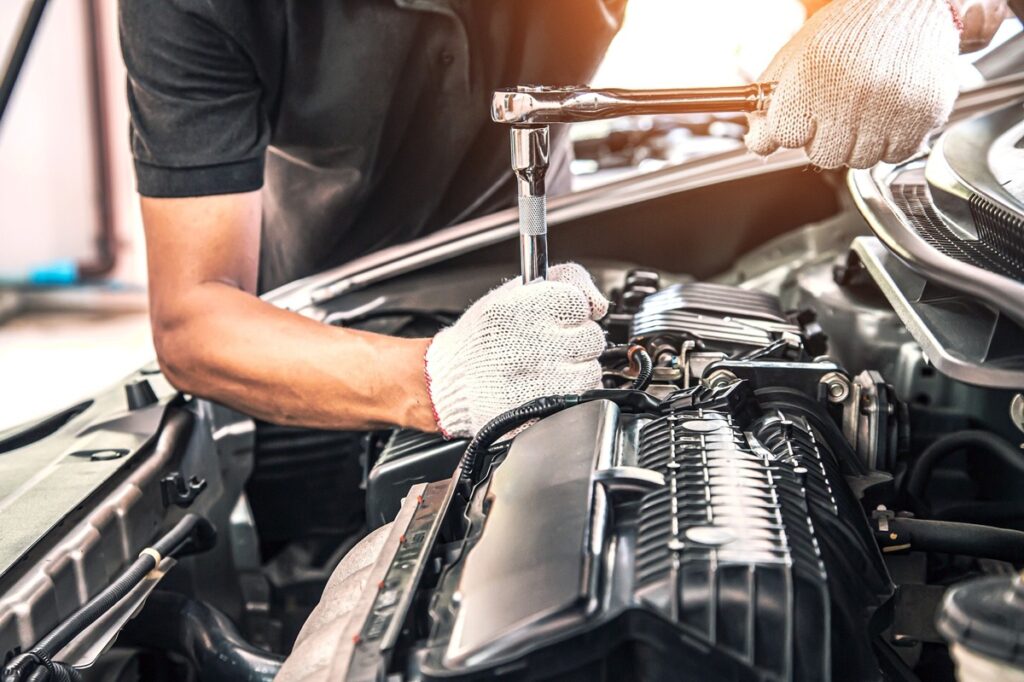
Before starting a repair, run through this checklist:
- Is the repair safety-critical? If yes — go pro.
- Do I have the correct tools and workspace? No? Go pro.
- Is there a clear, reputable guide for this repair (manual, video from a trusted source)? If no — go pro.
- Is the part inexpensive and easy to replace? If yes — DIY may be fine.
- Am I willing to accept the risk if something goes wrong? If no — professional service is safer.
If you still aren’t sure, call and ask. We at Neighbors Garage KY are happy to advise whether a job is DIY-friendly or if you should bring the vehicle in. Check our services page or contact us for guidance.
Combining Both Approaches
Many drivers find a hybrid approach works best: do routine maintenance at home and leave complex tasks to professionals. For example, you can change your oil and replace wipers, but have a shop handle brake jobs and diagnostics.
Benefits of the hybrid approach:
- Save money on simple tasks
- Keep safety-critical work in professional hands
- Build knowledge while minimizing risk
Final Thoughts
Whether you choose DIY or professional repair depends on the task, your skills, and your risk tolerance. Small maintenance jobs are great learning opportunities, but when safety, warranty, or complex diagnostics are involved, a reputable shop is the smarter choice. If you’re in the Kentucky area and need help deciding or want a second opinion, stop by or schedule an appointment with Neighbors Garage KY — we’ll point you in the right direction and keep you rolling safely.
For service hours, appointment booking, and more helpful tips, visit www.neighborsgarageky.com or give us a call. Tell us what you think about this DIY vs. professional auto repair article.