
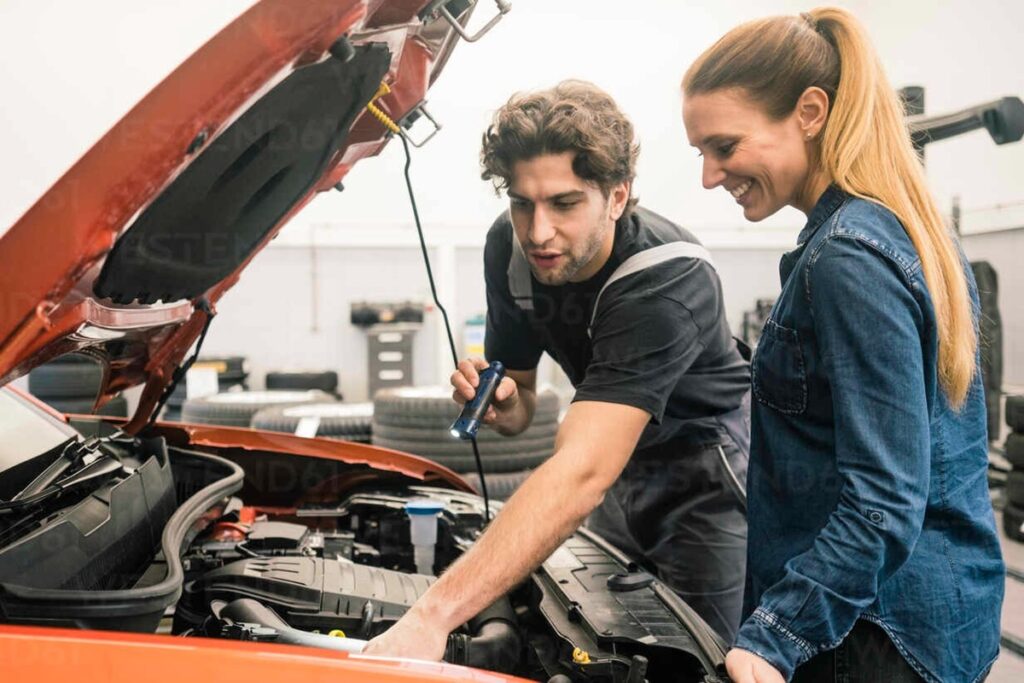
Here are some spring maintenance tips to keep your car running smoothly all year…..
Spring is the perfect time to give your vehicle a fresh start after cold winter months. Warmer weather and more driving can expose problems that developed over winter, so a little preventive maintenance now will save you time, money and headaches later. Below are practical, easy-to-follow spring maintenance tips to help keep your car running smoothly all year — whether you commute across Menifee County or head out on longer Kentucky road trips. If you’d rather leave it to a pro, Neighbor’s Garage is ready to help.
1. Check fluids and top off as needed
Start with the basics: engine oil, coolant (antifreeze), brake fluid, transmission fluid, power steering fluid and windshield washer fluid. Cold winters can mask slow leaks or cause fluids to become contaminated. Change the oil if it’s due — fresh oil improves engine efficiency and longevity. Also inspect for any visible leaks under the car; even small drips can signal problems later.
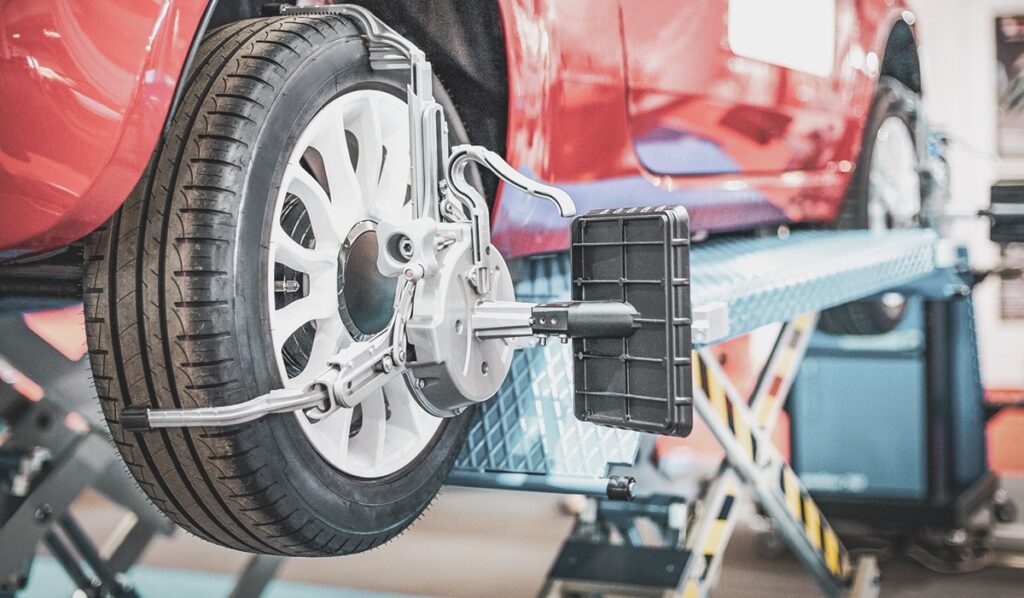
2. Inspect tires: pressure, tread, and alignment
Tire pressure fluctuates with temperature, so check and adjust to the manufacturer’s recommended PSI. Inspect tread depth — you can use the penny test: insert a penny into the tread with Lincoln’s head down; if you can see the top of his head it’s time for new tires. Look for uneven wear which could indicate misalignment or suspension issues. If you notice vibrating at speed or the car pulling to one side, get an alignment check.
3. Test the battery and charging system
Cold weather is hard on batteries. Spring is a good time to test battery health and check terminals for corrosion. A weak battery might still start the car now but fail when you least expect it. Many garages, including Neighbor’s Garage, offer quick battery tests and can replace batteries if needed. Don’t ignore slow cranking or dim headlights — these are signs the charging system may be compromised.
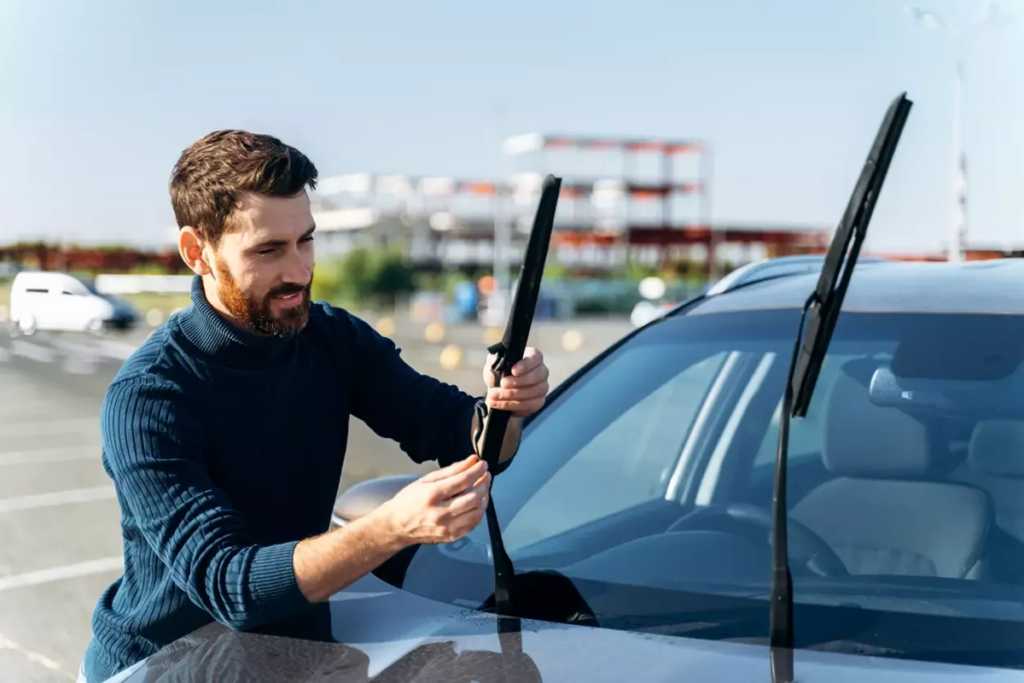
4. Replace wiper blades and clean the windshield
Visibility is safety. Replace old, streaking wipers and refill washer fluid with a solution that removes road grime and tree sap. Clean both the inside and outside of the windshield thoroughly; interior film from off-gassing can reduce clarity in bright sun. Don’t forget to check rear wipers if your vehicle has one.
5. Inspect brakes for wear and noise
Brakes are one of the most important safety systems. Listen for grinding, squealing, or clicking when you brake. Look for vibration or pulling to one side. Have brake pads, rotors, and brake lines inspected; replacing worn pads before they damage rotors saves money. If the brake pedal feels soft or spongy, there may be air in the system or a fluid leak that needs immediate attention.
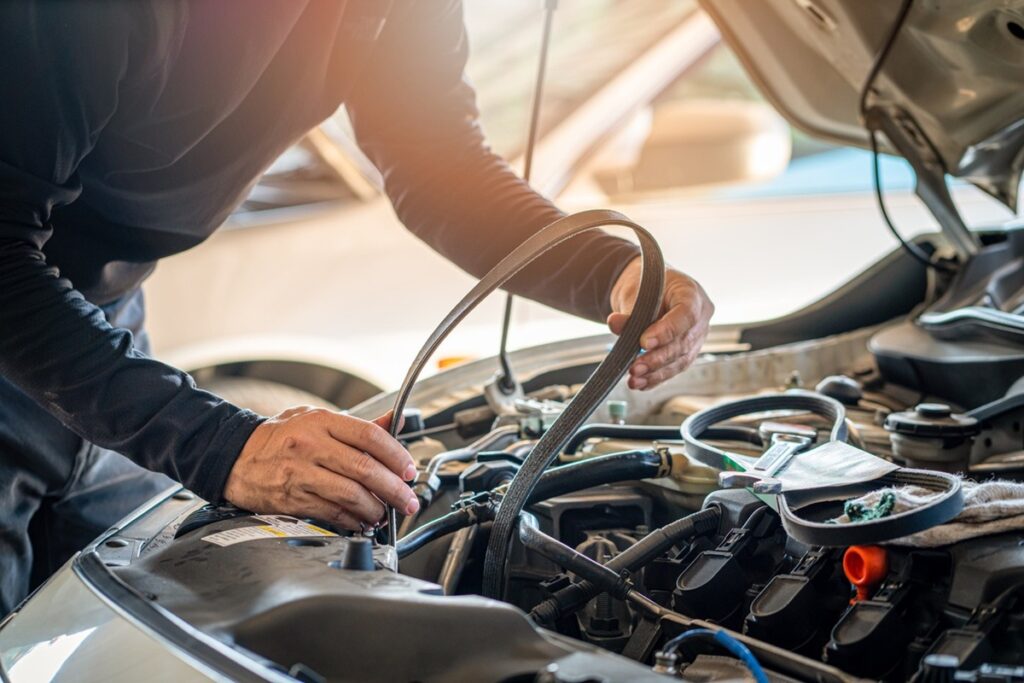
6. Check belts, hoses, and the cooling system
Rubber belts and hoses degrade over time and can snap or leak without much warning. Look for cracks, fraying, or bulging. The cooling system should be flushed and refilled according to your owner’s manual; old coolant can’t protect against corrosion or overheating as effectively. Overheating on a hot Kentucky day is a quick way to turn a simple trip into a major repair.
7. Replace filters: air, cabin, and fuel
A clean engine air filter improves fuel economy and performance. Cabin air filters keep pollen, dust, and allergens out of your car’s interior — especially important in spring when pollen counts rise. Fuel filters, when neglected, can reduce engine efficiency. Replacing these filters is inexpensive and improves overall driving comfort and reliability.
8. Inspect lights and signals
Make sure headlights, taillights, brake lights, turn signals and hazard lights are all functioning. Replace burned out bulbs and clean cloudy headlight lenses with a restoration kit if necessary. Proper lighting is essential for safe night driving and for being visible to other drivers.

9. Test HVAC and defrost systems
Spring storms and shifting temperatures mean you’ll need both AC and defrost working well. Run the air conditioning to ensure it cools properly and listen for unusual noises. Verify the defroster clears quickly so you’re never caught with poor visibility in sudden weather shifts.
10. Keep an emergency kit and document checklist
Restock or assemble an emergency kit: jumper cables, flashlight, basic tool kit, first-aid kit, blanket, bottled water, and nonperishable snacks. Keep essential documents in your glove box: registration, insurance, and a roadside assistance contact. A little preparation goes a long way on rural roads.
When to call a pro
If you’re not comfortable doing these checks yourself, or if an inspection uncovers issues like persistent leaks, unusual noises, or electrical problems, schedule a professional inspection. Neighbor’s Garage offers comprehensive spring checkups, towing and repair services tailored to local drivers. A trained technician can catch issues early and recommend cost-effective repairs.
Final thoughts
Routine spring maintenance keeps your car safer, more reliable, and more efficient throughout the year. Spending a bit of time or a small amount at the shop now prevents bigger headaches later. Whether you’re prepping for a cross-state trip or simply commuting to work, these tips will help your car perform at its best. If you need a hand, Neighbor’s Garage is nearby and ready to assist.
Drive safe and enjoy spring on the road — your vehicle will thank you.
Let us know what you think about our spring maintenance tips to keep your car running smoothly all year.