Uncategorized

Uncategorized

7 Car Problems You Should Never Ignore

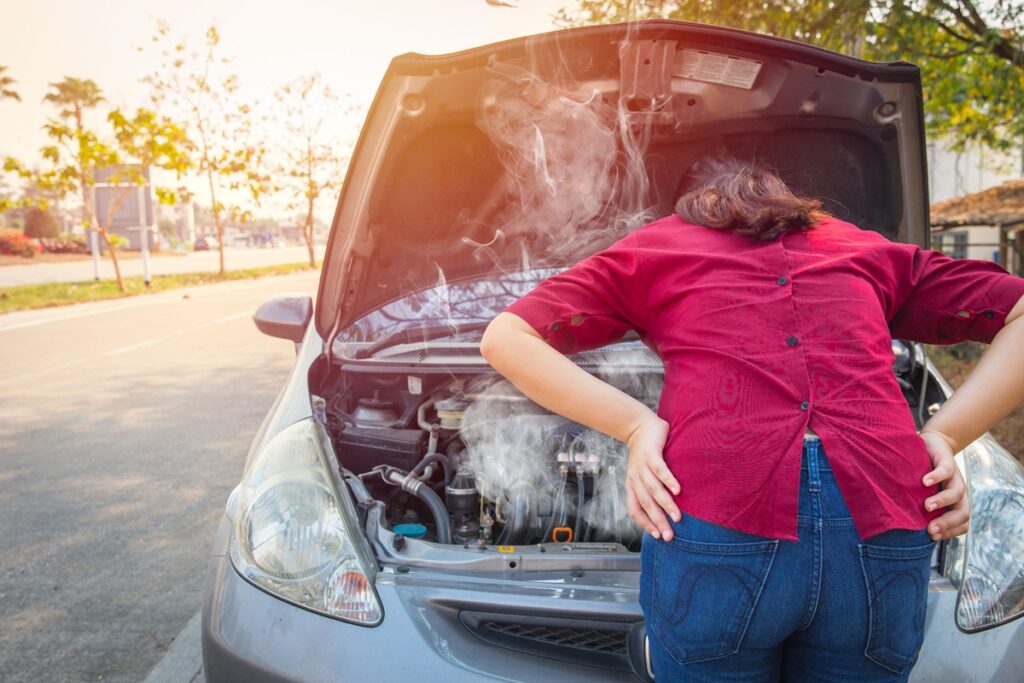
These are 7 car problems you should never ignore because we care about your safety and car costs that can be prevented…… Most drivers know that vehicles require regular maintenance, but it’s easy to put off repairs when life gets busy. The problem is that some issues don’t just go away on their own—they get worse, more expensive, and sometimes even dangerous. At Neighbors Garage, we’ve seen small problems turn into major repairs simply because they weren’t addressed early. If you notice any of the following warning signs, it’s a good idea to schedule a professional inspection as soon as possible. 1. Check Engine Light The check engine light is one of the most common warnings drivers ignore. Sometimes it may be something relatively minor, like a loose gas cap, but it can also indicate serious issues involving the engine, emissions system, or ignition components. Many people continue driving for weeks or even months with the light on. Unfortunately, that can allow a small repair to become a much larger one. If your check engine light comes on, having it diagnosed quickly can save you both time and money. Learn more about our vehicle diagnostics and repair services at https://neighborsgarageky.com. 2. Brake Problems Your brakes are arguably the most important safety system on your vehicle. If you hear squealing, grinding, or notice vibrations when braking, don’t wait to have them checked. Brake pads naturally wear down over time. When they’re ignored, they can damage rotors and other brake components, turning a relatively inexpensive repair into a costly one. Other signs of brake trouble include: Soft or spongy brake pedal Vehicle pulling to one side Increased stopping distance Brake warning light Any of these symptoms should be inspected right away. 3. Engine Overheating If your temperature gauge is climbing higher than normal or steam is coming from under the hood, pull over as soon as it’s safe. An overheating engine can cause severe damage, including warped cylinder heads, blown head gaskets, and complete engine failure. These repairs can cost thousands of dollars and often could have been prevented with early attention. Common causes include: Coolant leaks Failed water pumps Bad thermostats Damaged radiators Keeping up with regular cooling system maintenance can help prevent these issues from occuring. 4. Fluid Leaks A small puddle under your vehicle might not seem like a big deal, but fluid leaks can indicate serious problems. Different fluids play important roles in your vehicle’s operation: Engine oil lubricates moving parts Transmission fluid helps shifting performance Coolant regulates engine temperature Brake fluid helps stop the vehicle safely Power steering fluid assists steering control Ignoring leaks can lead to component failure and expensive repairs. If you notice spots in your driveway, it’s worth having them identified. For routine inspections and maintenance, visit the team at Neighbors Garage and let us help catch small issues before they become major headaches. 5. Strange Noises Cars communicate problems in many ways, and unusual noises are one of the most common. Some sounds that deserve immediate attention include: Grinding noises Knocking from the engine Loud squealing Clicking while turning Humming or roaring from the wheels These noises can indicate anything from worn brake components to failing wheel bearings or engine issues. While some sounds may seem harmless at first, they often get louder and more expensive the longer they’re ignored. 6. Excessive Exhaust Smoke A little condensation from the tailpipe on a cold morning is normal. Thick or colored smoke is not. Different smoke colors can point to different issues: Blue smoke may indicate burning oil White smoke can suggest coolant entering the engine Black smoke often means excessive fuel consumption Modern vehicles are designed to run cleanly and efficiently. Visible exhaust smoke usually means something isn’t functioning properly. Addressing the problem early can help prevent damage to the engine and emissions system. 7. Tire Wear and Vibration Many drivers don’t pay much attention to their tires until they have a flat. Unfortunately, uneven tire wear and vibrations often signal underlying problems. You may notice: Steering wheel shaking Vehicle pulling left or right Uneven tread wear Increased road noise These symptoms can be caused by alignment issues, suspension wear, tire damage, or wheel balance problems. Ignoring them not only shortens tire life but can also affect handling and safety. Regular tire inspections are one of the easiest ways to avoid unexpected breakdowns and costly repairs down the road. Don’t Wait Until a Small Problem Becomes a Big One One thing we’ve learned over the years is that vehicle problems rarely fix themselves. In fact, they almost always become more expensive when left alone. Whether it’s a check engine light, brake issue, fluid leak, or unusual noise, early diagnosis can help you avoid larger repairs and keep your vehicle running safely. If your vehicle is showing any of these warning signs, schedule an appointment with the experienced team at Neighbors Garage. Our goal is to provide honest service, quality repairs, and help you keep your car on the road for years to come. Visit https://neighborsgarageky.com to learn more about our services or contact us to schedule your next inspection. Let us know what you think about these 7 car problems you should never ignore.

Uncategorized

Common A/C Problems and Fixes

Common A/C problems and fixes is just one of our specialities here at Neighbor’s Garage and we are more than happy to help any way we can. So here is a little about some of those problems and fixes….. A car’s air conditioning system is one of those comforts we take for granted until it stops working. Whether you’re driving across town on a sweltering Kentucky afternoon or just commuting to work, a failing A/C can turn a pleasant drive into an uncomfortable chore. At Neighbors Garage, we see the same handful of A/C issues over and over. This post covers the most common problems, simple diagnostics you can try at home, and when it’s time to bring your vehicle to our shop.  No Cold Air — Low Refrigerant One of the most frequent complaints is that the A/C blows warm or lukewarm air. The usual culprit is low refrigerant (commonly referred to as Freon, though newer systems use different refrigerants). Low levels typically mean there is a leak somewhere in the system. You might notice the compressor cycling on and off more frequently, or the A/C works fine for a short while after a recharge but fails again. Quick fix: Recharge the system with the correct refrigerant and oil charge. This is best done with professional equipment since adding too much or the wrong type can damage components. If the refrigerant drops again quickly, it indicates a leak that must be located and repaired — often at hose connections, the condenser, or the evaporator. Weak Airflow — Blower or Cabin Filter Issues If the air is cold but airflow is weak, start by checking the cabin air filter. A clogged filter restricts airflow and makes the system work harder. You may also hear a faint whistling or notice unpleasant odors if the filter is dirty. Quick fix: Replace the cabin air filter — it’s inexpensive and easy on many models. If airflow is still poor, the blower motor or its resistor may be failing. A blown fuse, corroded wiring, or a failing blower motor will require professional diagnosis and repair. Strange Noises — Compressor or Debris Grinding, squealing, or rattling sounds when the A/C engages often point to compressor issues or foreign objects lodged in the system. A failing compressor clutch will make a metallic grinding noise, while a seized compressor can put stress on belts and pulleys, leading to more noise and potential engine drive belt damage. Quick fix: If you hear a squeal or belt chirp, inspect the drive belt and tensioner. For grinding or clunking sounds, stop using the A/C and have the system inspected — continuing to run a failing compressor can cause extensive damage and higher repair costs. Bad Odors — Mold, Mildew, or Bacteria A musty or sour smell when you turn on the A/C is usually caused by mildew or bacteria growth on the evaporator core. Engineered condensation and warm temperatures provide the perfect environment for biological growth. Quick fix: Run the A/C on fresh-air mode occasionally to dry the evaporator and use cabin air treatment sprays designed to kill bacteria. If the odor persists, a professional cleaning of the ducts and evaporator is recommended. At Neighbors Garage we offer A/C system cleaning services that remove buildup and restore fresh airflow; learn more on our main page at Neighbors Garage KY. A/C Cycles On and Off — Pressure or Electrical Problems Frequent cycling (short on/off periods) can result from low refrigerant, but it can also be caused by electrical issues such as a failing pressure switch, faulty relay, or wiring problems. Cycling helps protect the system from damage when pressures are out of range, but it also reduces cooling efficiency. Quick fix: Check fuses and relays related to the A/C. If those are fine, have a technician check system pressures and electrical components. At our shop we test pressures and electricals as part of an A/C performance check to pinpoint the root cause. Frozen Evaporator — Restricted Flow or Moisture If the evaporator freezes, you’ll notice ice on the lines or evaporator housing and a drop in cooling. Causes include restricted refrigerant flow, low airflow from a dirty cabin filter, or incorrect refrigerant charge. Quick fix: Turn the system off and let it thaw. Replace clogged filters and have the refrigerant level checked. Avoid adding refrigerant without a proper diagnosis — overcharging can be as harmful as undercharging. When to Bring It to Neighbors Garage If you’ve tried basic checks like changing the cabin filter, checking belts, and inspecting fuses but the problem persists, bring your car in. Our technicians perform leak detection, pressure testing, electrical diagnostics, and compressor inspections. For related preventative work, see our posts on Why Regular Wheel Alignment Saves You Money Long-Term and What to Do If Your Car Breaks Down in Rural Kentucky, which include A/C checks as part of broader service routines. Keeping your A/C in good shape improves comfort, reduces strain on your engine, and can prevent costly repairs. If you’re in the Lexington area and need help, schedule an appointment at Neighbors Garage and we’ll get your system blowing cold again. T Tell us what you think about this article about common A/C problems and fixes. We would love to hear from you.

Uncategorized

DIY vs. Professional Auto Repair: What to Know

In this DIY vs. professional auto repair article we will see the good and the bad of do it yourself auto repair…… Deciding whether to tackle car repairs yourself or take your vehicle to a pro is a common dilemma for drivers in Kentucky. There’s pride in turning a wrench and saving money, but there’s also risk — both to your safety and your wallet — if a repair goes wrong. This guide will help you weigh the pros and cons so you can make smart choices for your vehicle and your budget. When DIY Makes Sense Simple maintenance tasks are perfect for DIYers. Things like oil changes, air filter replacement, windshield wiper swaps, and replacing bulbs are straightforward and require minimal tools. These jobs help you learn more about your car and save labor costs. Benefits of DIY: Lower cost for parts only Faster turnaround when you have time Learning and confidence-building Tools you’ll likely need: Basic socket set and wrenches Jack and jack stands (never rely only on a jack) Torque wrench for critical bolts Multimeter for basic electrical checks If you’re following the vehicle manual and a reputable tutorial, you can do many jobs safely. For local help, our team at Neighbors Garage KY has a bunch of tips and can point you to trusted parts. Visit Neighbors Garage KY for service info and parts recommendations. When to Choose a Professional Some repairs are better left to trained technicians. Anything involving the braking system, steering, suspension, transmission, or major engine work often requires specialized tools, diagnostic equipment, and experience. Professionals can spot related problems you might miss and ensure repairs are done to industry standards. Reasons to go pro: Safety-critical systems (brakes, airbags) Complex diagnostics (check engine light that needs a scan tool) Warranty protection — a professional repair can maintain your vehicle warranty Time savings if you don’t have the tools or space At Neighbors Garage KY we use OEM-quality parts and industry-standard procedures so repairs last and are safe. If you’re unsure, it’s usually worth booking an inspection before attempting a major repair at home. Cost Comparison DIY will save on labor costs, but expenses can add up. If you need specialized tools or make a mistake that requires professional correction, you may spend more than you saved. Professionals charge for labor, but they bring experience, efficiency, and warranty on work — which can save money long-term. Quick cost tips: Compare parts prices: aftermarket vs. OEM. Some aftermarket parts are fine; others aren’t. Factor in tool costs. A one-time tool purchase should be amortized over expected future use. Ask for a written estimate from the shop. Unexpected repairs can blow budgets, so transparency matters. Risk and Liability Working on your own car carries risk. Improperly installed brakes, loose suspension components, or incorrectly torqued bolts can cause accidents. Additionally, some repairs may void a warranty if performed incorrectly or with non-approved parts. Liability considerations: Your homeowner’s insurance might not cover injuries from DIY repairs in the garage. Professional shops carry insurance and are licensed to perform many types of work. Document parts and procedures if you do it yourself — it helps if problems arise later. How to Decide: A Simple Checklist Before starting a repair, run through this checklist: Is the repair safety-critical? If yes — go pro. Do I have the correct tools and workspace? No? Go pro. Is there a clear, reputable guide for this repair (manual, video from a trusted source)? If no — go pro. Is the part inexpensive and easy to replace? If yes — DIY may be fine. Am I willing to accept the risk if something goes wrong? If no — professional service is safer. If you still aren’t sure, call and ask. We at Neighbors Garage KY are happy to advise whether a job is DIY-friendly or if you should bring the vehicle in. Check our services page or contact us for guidance. Combining Both Approaches Many drivers find a hybrid approach works best: do routine maintenance at home and leave complex tasks to professionals. For example, you can change your oil and replace wipers, but have a shop handle brake jobs and diagnostics. Benefits of the hybrid approach: Save money on simple tasks Keep safety-critical work in professional hands Build knowledge while minimizing risk Final Thoughts Whether you choose DIY or professional repair depends on the task, your skills, and your risk tolerance. Small maintenance jobs are great learning opportunities, but when safety, warranty, or complex diagnostics are involved, a reputable shop is the smarter choice. If you’re in the Kentucky area and need help deciding or want a second opinion, stop by or schedule an appointment with Neighbors Garage KY — we’ll point you in the right direction and keep you rolling safely. For service hours, appointment booking, and more helpful tips, visit www.neighborsgarageky.com or give us a call. Tell us what you think about this DIY vs. professional auto repair article.

Uncategorized

Prevent Overheating: Tips for Hot-Weather Driving

Summer is coming so here is our advice to prevent overheating: tips for hot-weather driving….. Summer heat can be tough on vehicles, especially here in Kentucky where high temperatures and long drives can push cooling systems to their limits. Overheating not only leaves you stranded but can cause serious engine damage and expensive repairs. At Neighbor’s Garage in Frenchburg, KY, we see overheating problems every season and we’re here to help you prevent them before they happen. Below are practical tips to keep your engine cool, plus how our shop can support you if things go wrong. Know the Warning Signs The first step in preventing overheating is recognizing early warning signs. Look out for: Rising temperature gauge or a flashing engine light Steam or coolant smell from under the hood Loss of power or sluggish acceleration Coolant leaks or low coolant levels Strange noises like gurgling or knocking If you notice any of these, pull over safely, turn off the engine, and let it cool. Do not open the radiator cap while the engine is hot—serious burns can result. Neighbor’s Garage can tow your vehicle if you’re stranded and provide a quick diagnosis to determine the cause. Keep Your Cooling System Maintained Routine maintenance is the best defense against overheating. Important items include: Coolant flushes and top-offs: Old or contaminated coolant loses its ability to absorb heat. Follow your owner’s manual for recommended intervals or ask our techs for guidance. Inspect hoses and belts: Cracked hoses, loose clamps, or worn belts can cause leaks or failure. We check and replace these parts as needed. Radiator condition: A clogged or corroded radiator won’t dissipate heat efficiently. We can perform radiator pressure tests and clean or repair as necessary. Thermostat and water pump: These components control coolant flow; if they fail, overheating can occur quickly. Regular inspections catch issues early. Monitor Fluid Levels and Quality Check coolant level regularly, especially before long trips. Also monitor oil level and condition—clean oil helps reduce engine friction and heat. If your car burns oil or you see milky residue in the coolant, bring it in; these can be signs of more serious problems like a head gasket leak. Neighbor’s Garage offers fluid checks and full-service oil changes to keep everything in spec. Mind Your Driving Habits How you drive affects engine temperature. Tips to reduce strain: Avoid heavy towing in extreme heat when possible, or plan cooler travel times. Use lower gears on steep climbs to prevent over-revving. Pull over every so often during long, slow climbs to let the engine cool if needed. Keep cabin A/C use balanced—max A/C with windows up can increase engine load slightly, so alternate when stopped for long periods. Airflow and Cooling Fans Proper airflow across the radiator is vital. Make sure no debris, leaves, or plastic bags are blocking the grill or radiator fins. Cooling fans should engage when the engine reaches a certain temperature—if a fan motor fails, the car may overheat in traffic. Our technicians can test fan operation and replace faulty motors or relays. Plan Ahead for Road Trips Before a summer trip, take a few preventative steps: Get a pre-trip inspection at Neighbor’s Garage—cooling system, belts, hoses, and battery check. Carry extra coolant and water in your trunk, and a basic roadside kit (gloves, flashlight, funnel). Know our towing number and location in Frenchburg in case you need assistance. When You’re Stopped on the Road If your car overheats on the road: Safely pull over and turn off the engine. Open the hood to let heat escape (stand back to avoid steam). Wait at least 20-30 minutes before checking coolant; never open a hot radiator cap. If the coolant level is low and you have coolant/water, add it carefully once the engine has cooled. Call Neighbor’s Garage for towing and professional help if you’re unsure or the problem persists. How Neighbor’s Garage Can Help At Neighbor’s Garage in Frenchburg, KY, we provide full cooling system services and emergency assistance to keep you safe on hot days: Complete cooling system inspections and pressure testing to find leaks or weak spots. Coolant flushes, refills, and correct coolant type for your vehicle. Radiator repair or replacement, including cleaning and fin straightening. Thermostat, water pump, belt, and hose replacement with quality parts. Electrical checks for cooling fans, sensors, and relays. Fast towing and roadside assistance if you’re stranded—call us and we’ll come get you. Honest estimates and clear advice on repair urgency so you can make informed choices. Final Tips Preventing overheating is mostly about regular maintenance, attentive driving, and quick action when warning signs appear. Small investments now—like a coolant flush or new belt—can save you from a blown head gasket or engine replacement later. If you’re near Frenchburg, drop by Neighbor’s Garage or visit www.neighborsgarageky.com to schedule a cooling system check before the heat peaks. We’ll help keep your ride cool and dependable so you can enjoy summer driving without worry. Stay safe on the road, keep an eye on the temp gauge, and remember: if heat becomes a problem, Neighbor’s Garage is here to help fast. Tell us what you think about our advice to prevent overheating: tips for hot-weather driving.

Uncategorized

Why Regular Wheel Alignment Saves You Money Long-Term

Just a little from Neighbor’s Garage on why regular wheel alignment saves you money long-term…. What is wheel alignment? Wheel alignment refers to adjusting the angles of the wheels so they match the vehicle manufacturer’s specifications. The main angles — camber, toe, and caster — determine how the tires contact the road and how the vehicle handles. When wheels are out of alignment, tires wear unevenly, the car may pull to one side, and steering can feel off-center. Proper alignment helps ensure even tire wear, improved fuel economy, and safer handling. How misalignment happens Everyday driving, potholes, curb strikes, and rough roads can gradually knock your wheels out of spec. Rural and secondary roads around Frenchburg, KY can be especially hard on suspension and alignment. Even a single hard hit from a pothole or hitting a curb while parking can cause small changes that add up over time and lead to more serious problems. Tire wear and replacement costs One of the clearest ways misalignment drains your wallet is through premature tire wear. Misaligned wheels put more load on portions of the tread, producing irregular wear patterns like feathering, cupping, or inner-edge wear. That shortens tire life and forces you to replace tires earlier than expected. A single premature tire replacement can cost well over a hundred dollars, and replacing a pair or a full set quickly becomes expensive. Regular alignment keeps tread wearing evenly and helps you get the maximum mileage from your tires. Fuel economy and savings When wheels aren’t aligned, rolling resistance increases and the engine works harder to maintain speed. Proper alignment reduces that resistance, which can improve fuel economy by a small but measurable amount. Over months and years, especially for commuters or people who drive long distances, those savings add up and help offset the modest cost of alignment services. Reduced strain on suspension and steering components Misalignment doesn’t only affect tires — it also places extra stress on suspension and steering parts such as tie rods, ball joints, control arms, and wheel bearings. The added wear can lead to premature failure of these components, and repairs or replacements are usually much more expensive than an alignment. Keeping wheels aligned extends the life of these parts and reduces the likelihood of costly repairs down the road. Safety and handling Correctly aligned wheels improve vehicle stability, steering response, and braking performance. That becomes critical during emergency maneuvers or in poor road conditions. A car that pulls to one side or has an off-center steering wheel can be harder to control in sudden situations. Regular alignment checks maintain predictable handling, which not only protects your wallet but also keeps you and your passengers safer. When to have your alignment checked You should consider having alignment checked when: – You hit a curb or pothole – You notice uneven tire wear – The car pulls to one side or the steering wheel is off-center – During routine maintenance (many technicians recommend annually or every 12,000 miles, but check your owner’s manual) An alignment check often takes less than 30 minutes, and many shops will perform a quick inspection at low or no extra cost when you bring the car in for other services. Why choose a local shop in Frenchburg Local mechanics know the roads and driving conditions in the area, and that experience helps them diagnose alignment-related issues quickly and accurately. A trusted local shop like Neighbor’s Garage can spot early signs of misalignment and recommend the best, cost-effective fix. For convenient, personalized service in Frenchburg, consider visiting Neighbor’s Garage — details at www.neighborsgarageky.com DIY is limited While some basic inspections (like visually checking for obvious bent parts or uneven tire wear) can be done at home, accurately setting alignment requires specialized equipment to measure wheel angles precisely. DIY attempts without proper tools can make the problem worse, so it’s best to let trained technicians use calibrated alignment racks and tools. The long-term picture Think of wheel alignment as preventive maintenance. The cost of an alignment is relatively small compared to replacing tires early, repairing suspension components, or paying higher fuel costs. Over the life of your vehicle, regularly-maintained alignment can save you hundreds of dollars, maintain safer handling, and help preserve resale value. Final thoughts Regular wheel alignment is a simple, affordable way to protect your investment and avoid larger expenses later. If you drive the roads around Frenchburg, KY, adding alignment checks to your maintenance routine is a smart move. For reliable, local service, check out Neighbor’s Garage atwww.neighborsgarageky.comand schedule an alignment next time you’re in town. A little preventative care now will pay off down the road — quite literally. This is exactly why regular wheel alignment saves you money long-term.

Uncategorized

Spring Maintenance Tips to Keep Your Car Running Smoothly All Year

Here are some spring maintenance tips to keep your car running smoothly all year….. Spring is the perfect time to give your vehicle a fresh start after cold winter months. Warmer weather and more driving can expose problems that developed over winter, so a little preventive maintenance now will save you time, money and headaches later. Below are practical, easy-to-follow spring maintenance tips to help keep your car running smoothly all year — whether you commute across Menifee County or head out on longer Kentucky road trips. If you’d rather leave it to a pro, Neighbor’s Garage is ready to help. 1. Check fluids and top off as needed Start with the basics: engine oil, coolant (antifreeze), brake fluid, transmission fluid, power steering fluid and windshield washer fluid. Cold winters can mask slow leaks or cause fluids to become contaminated. Change the oil if it’s due — fresh oil improves engine efficiency and longevity. Also inspect for any visible leaks under the car; even small drips can signal problems later. 2. Inspect tires: pressure, tread, and alignment Tire pressure fluctuates with temperature, so check and adjust to the manufacturer’s recommended PSI. Inspect tread depth — you can use the penny test: insert a penny into the tread with Lincoln’s head down; if you can see the top of his head it’s time for new tires. Look for uneven wear which could indicate misalignment or suspension issues. If you notice vibrating at speed or the car pulling to one side, get an alignment check. 3. Test the battery and charging system Cold weather is hard on batteries. Spring is a good time to test battery health and check terminals for corrosion. A weak battery might still start the car now but fail when you least expect it. Many garages, including Neighbor’s Garage, offer quick battery tests and can replace batteries if needed. Don’t ignore slow cranking or dim headlights — these are signs the charging system may be compromised. 4. Replace wiper blades and clean the windshield Visibility is safety. Replace old, streaking wipers and refill washer fluid with a solution that removes road grime and tree sap. Clean both the inside and outside of the windshield thoroughly; interior film from off-gassing can reduce clarity in bright sun. Don’t forget to check rear wipers if your vehicle has one. 5. Inspect brakes for wear and noise Brakes are one of the most important safety systems. Listen for grinding, squealing, or clicking when you brake. Look for vibration or pulling to one side. Have brake pads, rotors, and brake lines inspected; replacing worn pads before they damage rotors saves money. If the brake pedal feels soft or spongy, there may be air in the system or a fluid leak that needs immediate attention. 6. Check belts, hoses, and the cooling system Rubber belts and hoses degrade over time and can snap or leak without much warning. Look for cracks, fraying, or bulging. The cooling system should be flushed and refilled according to your owner’s manual; old coolant can’t protect against corrosion or overheating as effectively. Overheating on a hot Kentucky day is a quick way to turn a simple trip into a major repair. 7. Replace filters: air, cabin, and fuel A clean engine air filter improves fuel economy and performance. Cabin air filters keep pollen, dust, and allergens out of your car’s interior — especially important in spring when pollen counts rise. Fuel filters, when neglected, can reduce engine efficiency. Replacing these filters is inexpensive and improves overall driving comfort and reliability. 8. Inspect lights and signals Make sure headlights, taillights, brake lights, turn signals and hazard lights are all functioning. Replace burned out bulbs and clean cloudy headlight lenses with a restoration kit if necessary. Proper lighting is essential for safe night driving and for being visible to other drivers. 9. Test HVAC and defrost systems Spring storms and shifting temperatures mean you’ll need both AC and defrost working well. Run the air conditioning to ensure it cools properly and listen for unusual noises. Verify the defroster clears quickly so you’re never caught with poor visibility in sudden weather shifts. 10. Keep an emergency kit and document checklist Restock or assemble an emergency kit: jumper cables, flashlight, basic tool kit, first-aid kit, blanket, bottled water, and nonperishable snacks. Keep essential documents in your glove box: registration, insurance, and a roadside assistance contact. A little preparation goes a long way on rural roads. When to call a pro If you’re not comfortable doing these checks yourself, or if an inspection uncovers issues like persistent leaks, unusual noises, or electrical problems, schedule a professional inspection. Neighbor’s Garage offers comprehensive spring checkups, towing and repair services tailored to local drivers. A trained technician can catch issues early and recommend cost-effective repairs. Final thoughts Routine spring maintenance keeps your car safer, more reliable, and more efficient throughout the year. Spending a bit of time or a small amount at the shop now prevents bigger headaches later. Whether you’re prepping for a cross-state trip or simply commuting to work, these tips will help your car perform at its best. If you need a hand, Neighbor’s Garage is nearby and ready to assist. Drive safe and enjoy spring on the road — your vehicle will thank you. Let us know what you think about our spring maintenance tips to keep your car running smoothly all year.

Uncategorized

Why Kentucky Drivers Love Local Garages Over Big Chains

We know exactly why Kentucky drivers love local garages over big chains….. When your car starts making that odd noise, where do you turn — a national chain or the local garage that calls you by name? For most folks around Frenchburg, KY, that answer’s an easy one. From Owingsville to Morehead and all through Menifee County, drivers are choosing local garages because they offer honest service, fair pricing, and something big dealerships can’t: personal trust. At Neighbors Garage, we see it every single day — customers walk in stressed, worried something’s seriously wrong, and walk out relieved, knowing their car (and wallet) are both in good hands. 1. Local Garages Know Their People Here in Kentucky, reputation matters. A local garage doesn’t just rely on ads or national promotions to earn your loyalty — it depends on word of mouth. We know if we don’t take care of our neighbors today, we’ll see fewer of them tomorrow. Unlike chain stores where faces change almost monthly, small garages often have the same mechanics for years, sometimes decades. That means when you bring in your Ford or your old Chevy pickup, there’s a good chance the same tech worked on it before. That kind of consistency builds confidence fast. 2. Honest Repairs — Not Sales Scripts Most local garages don’t have corporate quotas or service up‑sell goals. At Neighbors Garage, when we say you need a repair, it’s because you actually need it — not because a computer system recommends it. That’s not a knock against every big chain, but local mechanics often take the time to explain what went wrong and what your options are. Kentucky drivers really appreciate that transparency, especially when budgets are tight. 3. Community First, Always Local garages are part of the neighborhoods they serve. We buy our coffee at the same shop, root for the same Wildcats, and rely on the same roads you do. It’s not just about fixing cars — it’s about keeping our community moving safely. That’s why Neighbors Garage sponsors local fundraisers, helps high‑school auto programs, and even hosts free car‑care clinics. When you pay for an oil change at a place like ours, part of that goes right back into the local economy. 4. Real Conversations and Long‑Term Trust There’s something comforting about knowing your mechanic is only a phone call away — and that they’ll pick up because they actually remember you. No phone trees, no call centers, no “please hold for the next available agent.” Local shops thrive on relationships, not transactions. We’ll tell you if it’s cheaper to wait, fix it yourself, or trade the car in. We want to see you again, just not for the same problem. That’s why our team double‑checks every repair before returning your vehicle. It’s not about volume — it’s about reputation. 5. Fair Pricing That Makes Sense Let’s be honest, cost matters. Kentucky drivers are sensible people — we know when something’s overpriced or sounds too good to be true. Large chains often advertise cheap “specials” that later balloon with service fees or suggested add‑ons you didn’t ask for. A local shop’s pricing tends to be straightforward. We say what the repair will cost, explain why, and stick to it. And if we can save you money — say by using high‑quality aftermarket parts instead of brand‑new ones — we’ll tell you that, too. 6. The “Neighbors” Part Isn’t Just a Name At Neighbors Garage, the name means what it sounds like. Whether you’re new to the area or a lifelong Kentuckian, you’re part of a community where helping one another isn’t optional — it’s tradition. When folks step through our doors, we treat them like family (yes, even that one Uncle who still drives the same 2001 Buick). That spirit is what keeps Kentucky’s local garages thriving, year after year. Big chains might bring shiny shops and coupons, but they can’t bring that feeling of belonging — the one that happens when your mechanic waves as you drive past on a Friday evening, and you know if the car breaks down tomorrow, you’ll actually have somebody on your side. Final Thoughts Local garages are more than repair shops — they’re the heartbeat of Kentucky roads. They keep everyday drivers safe, save families money, and strengthen the towns we call home. Whether you’re in Louisville, Shepherdsville, or Bardstown, choosing a local mechanic means choosing service that comes with integrity, accountability, and a smile. Next time your car needs care, skip the chain lines and trust your neighbors — literally. Because at Neighbors Garage, you aren’t just another appointment. You’re family with four wheels. This is exactly why Kentucky drivers love local garages over big chains.

Uncategorized

Overlooked Maintenance That Saves You Big Money

Just a little on overlooked maintenance that saves you big money… When most people think about car maintenance, they think of oil changes, brakes, and tires. And yes—those are important. But what really catches drivers off guard (and costs them big) are the small, often overlooked maintenance items. At Neighbors Garage, we’ve seen plenty of situations where a simple, inexpensive fix could have prevented a major repair. If you want to avoid surprise breakdowns and keep more money in your pocket, here are some maintenance tips most people don’t usually think about. Replace Your Cabin Air Filter A lot of drivers don’t even know their car has a cabin air filter. This filter cleans the air that comes through your vents and into the cabin. When it gets clogged, it can reduce airflow and make your heating and cooling system work harder. Over time, that can lead to wear on your blower motor or HVAC system. It’s a quick and affordable replacement, but it’s often forgotten untill there’s a problem. Clean Your Battery Terminals Your battery might be working fine—but corrosion on the terminals can cause starting issues or electrical problems. Take a look under the hood every now and then. If you see buildup on the battery terminals, it’s worth getting them cleaned. It’s a simple fix that can prevent you from being stuck with a car that won’t start. Check Your Serpentine Belt The serpentine belt powers several key components like your alternator, power steering, and air conditioning. If it wears out or snaps, you could be dealing with multiple system failures at once. Most people don’t think about this belt untill it starts squealing—or worse, breaks. A quick inspection can catch cracks or wear early. Lubricate Door Hinges and Latches This one sounds small, but it matters more than you think. Over time, door hinges and latches can dry out, causing squeaks, stiffness, or even damage. A little lubrication keeps everything working smoothly and prevents wear. It’s one of the easiest things you can do, but almost nobody does it. Keep Your Cooling System in Check Your radiator and cooling system play a huge role in preventing your engine from overheating. But many drivers don’t think about it until it’s too late. Coolant should be flushed and replaced periodically. Old coolant can lose its effectiveness and even cause corrosion inside the system. Inspect Your Suspension Components Your suspension system affects how your car handles and rides. Worn shocks or struts can lead to uneven tire wear and poor control. Most people don’t notice suspension issues right away because they happen gradually. But over time, it can lead to more expensive problems. Also learn more about off road maintenance in our article “Off-Road Maintenance Tips to Keep You Going” Don’t Forget About Wheel Alignment If your car pulls to one side or your steering wheel isn’t centered, it might need an alignment. Driving with poor alignment can wear out your tires much faster than normal. This is one of those hidden costs that adds up quickly if ignored. Keep Your Fuel System Clean Fuel injectors can get dirty over time, which affects performance and fuel efficiency. A fuel system cleaning every so often can help keep your engine running smoothly. It’s not something most drivers think about, but it can make a noticeable difference. Check Your Wiper Blades and Washer System Wiper blades are easy to forget—until you’re driving in heavy rain and can’t see clearly. Old or worn blades can reduce visibility and become a safety issue. Also make sure your washer fluid is topped off and the system is working properly. It’s a simple thing, but it matters more than you realize. Watch for Small Leaks A tiny leak might not seem like a big deal at first, but it can turn into a major repair if left alone. If you notice spots under your car or a drop in fluid levels, it’s worth getting it checked out. Catching leaks early can save you a lot of money and hassle.   Final Thoughts The biggest car repair bills usually don’t come from nowhere—they build up over time from small, overlooked issues. By paying attention to these less obvious maintenance items, you can avoid bigger problems and keep your vehicle running longer. At Neighbors Garage, we believe that staying ahead of problems is the best way to save money. A little prevention now can save you a lot later. If you’re not sure where your vehicle stands, or just want a second opinion, we’re always here to help. Sometimes it’s the things you don’t think about that matter the most—and taking care of them can make all the difference. Tell us what you think about overlooked maintenance that saves you big money.

Uncategorized

What To Do If Your Car Breaks Down in Rural Kentucky

Just some neighborly advice on what to do if your car breaks down in rural Kentucky….. Breaking down on the side of the road is never a good experience. When it happens on a quiet backroad in rural Kentucky, it can feel even more stressful. Traffic might be light, cell service can be unreliable, and the nearest town may be miles away. Still, knowing what to do ahead of time can help you stay safe and get help faster. Below are a few simple steps every driver should know if their vehicle stops working somewhere out in the countryside. Stay Calm and Pull Over Safely The first thing you should do is stay calm and move your vehicle to a safe location if it’s still drivable. Try to get completely off the road if possible. Many rural roads are narrow, and drivers might not see you until they are already close. Turn on your hazard lights immediately so other drivers know something is wrong. If it’s dark outside, this will help approaching vehicles see you sooner. Once you’re safely stopped, take a moment to breathe and think about what might have happened. Panicking usually just makes situations harder to deal with. Try to Identify the Problem Sometimes a breakdown happens because of something small or simple. A few common reasons vehicles stop working include: An overheated engine A dead battery A flat tire Running out of gas Electrical issues If the engine overheated, turn the vehicle off and allow it to cool down before opening the hood. Opening it too quickly can release hot steam, which can be dangerous. If you’re unsure what caused the issue, the safest step is usually to contact a trusted local mechanic such as Neighbor’s Garage (https://neighborsgarageky.com/) who understands the common problems drivers in rural Kentucky deal with. Make Sure You Stay Safe While waiting for help, your safety should be the top priority. Depending on where you are, it might be safest to stay inside your vehicle. If you’re on a highway or busy road, it’s usually better to stay inside the car with your seatbelt on. If you’re on a quiet rural road and it feels safe, you might step away from the road while waiting. At night, keep your hazard lights flashing so your vehicle remains visible. If you have reflective triangles or emergency lights, those can help alert other drivers that your car is stopped. Make Sure You Stay Safe While waiting for help, your safety should be the top priority. Depending on where you are, it might be safest to stay inside your vehicle. If you’re on a highway or busy road, it’s usually better to stay inside the car with your seatbelt on. If you’re on a quiet rural road and it feels safe, you might step away from the road while waiting. At night, keep your hazard lights flashing so your vehicle remains visible. If you have reflective triangles or emergency lights, those can help alert other drivers that your car is stopped. Call for Local Help One advantage of rural communities is that local businesses understand the area better than large national companies. A local shop often knows the roads, distances, and the kinds of vehicle problems common to the region. If you’re able to make a call, reaching out to a local towing or repair shop like Neighbor’s Garage services page (https://neighborsgarageky.com/services/) can be the quickest way to get assistance. If your phone signal is weak, sometimes moving just a short distance up the road can give you enough signal to make the call. Keep an Emergency Kit in Your Vehicle One simple thing that can make a breakdown easier to handle is having an emergency kit in your vehicle. Many drivers never think about it until they actually need it. A basic roadside kit might include: A flashlight Jumper cables Bottled water A phone charger A small first aid kit A blanket during colder months These items don’t take up much space but can make a big difference if you end up waiting for help longer than expected. Kentucky Weather Can Affect Your Vehicle Weather plays a big role in many breakdowns across Kentucky. Cold winter mornings often lead to weak or dead batteries, while hot summer temperatures can cause engines to overheat. Because of this, regular vehicle maintenance becomes even more important. Having your vehicle checked regularly by a trusted repair shop like Neighbor’s Garage (https://neighborsgarageky.com/about/) can help catch small issues before they become major problems on the road. Routine inspections may not seem urgent, but they often prevent costly and inconvenient breakdowns later. Always Follow Up With a Repair Inspection Even if your vehicle starts working again, it’s still smart to have it inspected by a professional mechanic. Sometimes cars restart after cooling down or after receiving a jump start, but the underlying problem may still be there. Ignoring the original issue can lead to the same problem happening again when you least expect it. Getting the problem diagnosed early can save time, money, and frustration down the road. Simple Habits That Help Prevent Breakdowns While no driver can avoid every mechanical issue, a few simple habits can greatly reduce the chances of getting stranded. Some helpful habits include: Getting regular oil changes Checking your battery condition Keeping tires properly inflated Maintaining brake systems Avoiding driving on an almost empty fuel tank Running low on gas is actually a common problem in rural areas where gas stations may be farther apart than expected. Being Prepared Makes a Big Difference Car trouble can happen to anyone. Even well-maintained vehicles sometimes develop unexpected problems. The important thing is knowing what to do and staying safe until help arrives. In rural Kentucky, having a dependable local garage you can trust can make a huge difference. When your vehicle stops working miles from town, knowing there’s someone nearby who understands the community and local roads can bring peace of mind. Breakdowns may never be convenient, but

Uncategorized

How to Choose the Right Mechanic for Your Vehicle

Sometimes you just want to know how to choose the right mechanic for your vehicle, so we put this article together for you….. Most people don’t think about choosing a mechanic until something goes wrong. A strange noise under the hood. A warning light that won’t turn off. Or worse — your vehicle won’t start when you need to be somewhere important. In those moments, you’re not just looking for someone to fix a problem. You’re looking for someone you can trust. If you live around Frenchburg or anywhere nearby, finding the right repair shop can make a big difference in how confident you feel every time you drive. Here’s a practical, honest guide to help you choose the right mechanic for your vehicle. Start With a Strong Local Reputation There’s something different about doing business with a local shop. A small-town garage depends on reputation and long-term relationships. They know word travels fast — good or bad — so customer service actually matters. When you visit the Neighbor’s Garage website at https://neighborsgarageky.com/, you can tell they’re focused on serving their community. That kind of commitment usually means they’re not interested in quick, one-time transactions. They’re building trust that lasts for years. And trust is everything when it comes to vehicle repairs. Read Reviews Carefully Online reviews are helpful, but don’t just glance at the star rating. Take a few minutes to read what people are actually saying. Look for comments about: Honesty Fair pricing Clear explanations Friendly service If customers repeatedly mention that they felt respected and informed, that’s a strong sign you’re dealing with the right kind of shop. No business is perfect, but consistent positive feedback says alot about how they operate. Make Sure They Offer the Right Services Not every mechanic handles every type of repair. Some focus only on maintenance. Others provide full diagnostics, engine repairs, brake service, and more. Before choosing a shop, check what they specialize in. You can see a detailed list of services offered by Neighbor’s Garage here: https://neighborsgarageky.com/services/. Having that information clearly laid out shows confidence and transparency. If a shop makes it difficult to find basic information about what they do, that can be a red flag. Clear communication from the start usually reflects how they’ll handle your vehicle. Pay Attention to How They Communicate This is one of the most important factors — and one that many people overlook. When you call or stop by: Do they listen carefully? Do they answer your questions without rushing you? Do they explain things in plain English? A good mechanic doesn’t talk down to customers or try to confuse them with complicated terms. They explain what’s wrong, what needs attention now, and what can wait. If you leave feeling comfortable and informed, that’s a great sign. If you leave feeling pressured or unsure, that’s something to think about. Communication builds confidence. And confidence makes every repair experience easier. Look for a Preventative Mindset The right mechanic doesn’t just fix what’s broken. They help prevent problems before they happen. Routine maintenance like oil changes, brake inspections, and battery checks can keep small issues from turning into major repairs. A trustworthy shop will remind you about regular service intervals and help you stay ahead of potential problems. If you want a general idea of recommended maintenance schedules, resources like Consumer Reports’ vehicle maintenance guide at https://www.consumerreports.org/cars/car-maintenance/when-does-your-car-need-maintenance-a9535470264/ can give you a baseline. But having a mechanic who personally walks you through it is even better. A preventative approach saves money and reduces stress in the long run. Fair Pricing Should Feel Fair Notice we didn’t say “cheap.” The cheapest option isn’t always the best. Skilled labor and quality parts matter. What you’re really looking for is fairness and honesty. A trustworthy mechanic will: Provide a clear estimate Explain why repairs are necessary Get your approval before doing additional work Surprise charges are what make people nervous about repair shops. Transparency removes that fear and builds long-term trust. Emergency Help Matters Breakdowns rarely happen at convenient times. They happen before work, after dark, or in the middle of nowhere. Having a local shop you can call during an emergency is incredibly valuable. If they offer towing or roadside assistance, that’s a huge plus. It shows they care about helping customers beyond just what happens inside the garage. Knowing who to call ahead of time eliminates panic later. Trust Your Instincts Sometimes your first impression tells you everything you need to know. Is the shop clean and organized? Does the staff seem professional? Are customers treated respectfully? Even small details can give you insight into how a business operates. You don’t have to be a car expert to recognize professionalism. If something feels off, it probably is. If it feels right, that’s worth paying attention too. Build a Long-Term Relationship The best mechanic isn’t someone you visit once. It’s someone who learns your vehicle’s history, keeps records, and gives advice based on your driving habits. Over time, that relationship leads to better service, quicker diagnostics, and smarter recommendations. It also gives you peace of mind knowing someone familiar is looking out for your vehicle. And honestly, that kind of reliability is hard to replace. Final Thoughts Choosing the right mechanic takes a little time, but it’s worth it. Look for a strong local reputation, clear communication, fair pricing, and a preventative mindset. Visit their website. Read reviews. Ask questions. Once you find a shop that treats you like a neighbor instead of a number, stick with them. Your vehicle is something you depend on every day. Make sure the people caring for it are just as dependable. So know you have a better idea of how to choose the right mechanic for your vehicle1

Scroll to Top